Ocean plastic is one of the greatest threats to our marine ecosystem, harming more than 800 species that call it home1. Over the years, news about marine animals dying from ingesting plastic waste has become more and more common.
But isn’t it strange that animals would choose to eat plastic in the ocean over their usual prey? Why would plastic bags be appetizing to sea creatures? To understand why they do it, we must see the world as they do.
Ocean plastic looks like food
Matthew Savoca of NOAA Southwest Fisheries Science Center in California explains ocean animals have different sensory and perceptive abilities compared to humans2. While some marine creatures like turtles can identify food through vision, their eyesight is unlike ours due to their capacity to see UV light. So a foraging sea turtle can mistake a flimsy plastic bag underwater for a jellyfish.
Photo by Tim Mossholder on Unsplash
Ocean plastic smells like food
How ocean plastic smells is also a factor. According to research, many marine animals rely on their sense of smell to hunt for food3. For seabirds like albatross, the scent of algae signals the presence of food. It’s mainly because algae is a primary food source for krill, a small crustacean consumed by aquatic birds.
Unfortunately, plastic gets colonized by algae within days or weeks of being in the sea. So these birds end up plucking plastic fragments from the ocean instead of their regular meal.
Photo by Todd Cravens on Unsplash
Ocean plastic sounds like food
Aquatic mammals, such as whales and dolphins, locate their prey using sound beams – also known as echolocation. Cuvier’s beaked whales, for example, hunt squid and gelatinous creatures deep into the sea where it’s pitch black.
Instead of relying on sight, these whales depend on sound to identify their meal. Sadly, the echo of ocean plastic is very similar to their usual prey4. As a result, they swallow kilograms of plastic and eventually die of intestinal blockage and starvation.
How can you help stop ocean plastic?
Marine animals don’t understand the threats of plastic pollution as we do. It’s estimated that 100,000 of them die from plastic ingestion or entanglement each year5. When are we going to stop this from happening? It’s our responsibility to act now to save the ocean and all that call it home. Here are some things you can do to be part of Social Recycling and stop ocean plastic.
Learn more about plastic pollution – Educate yourself about the effects of marine plastic pollution to help you make sustainable choices in your daily life.
Start conversations about the problem – Talk about plastic pollution with friends or post it on social media. Let your voice influence others to be responsible for how they manage plastic waste.
Walk the talk – Sort your plastic waste before disposal, reuse plastic in your household, bring recyclables to your local plastic collection branches, or join a coastal cleanup drive in your community – your actions will inspire others to care for our environment.
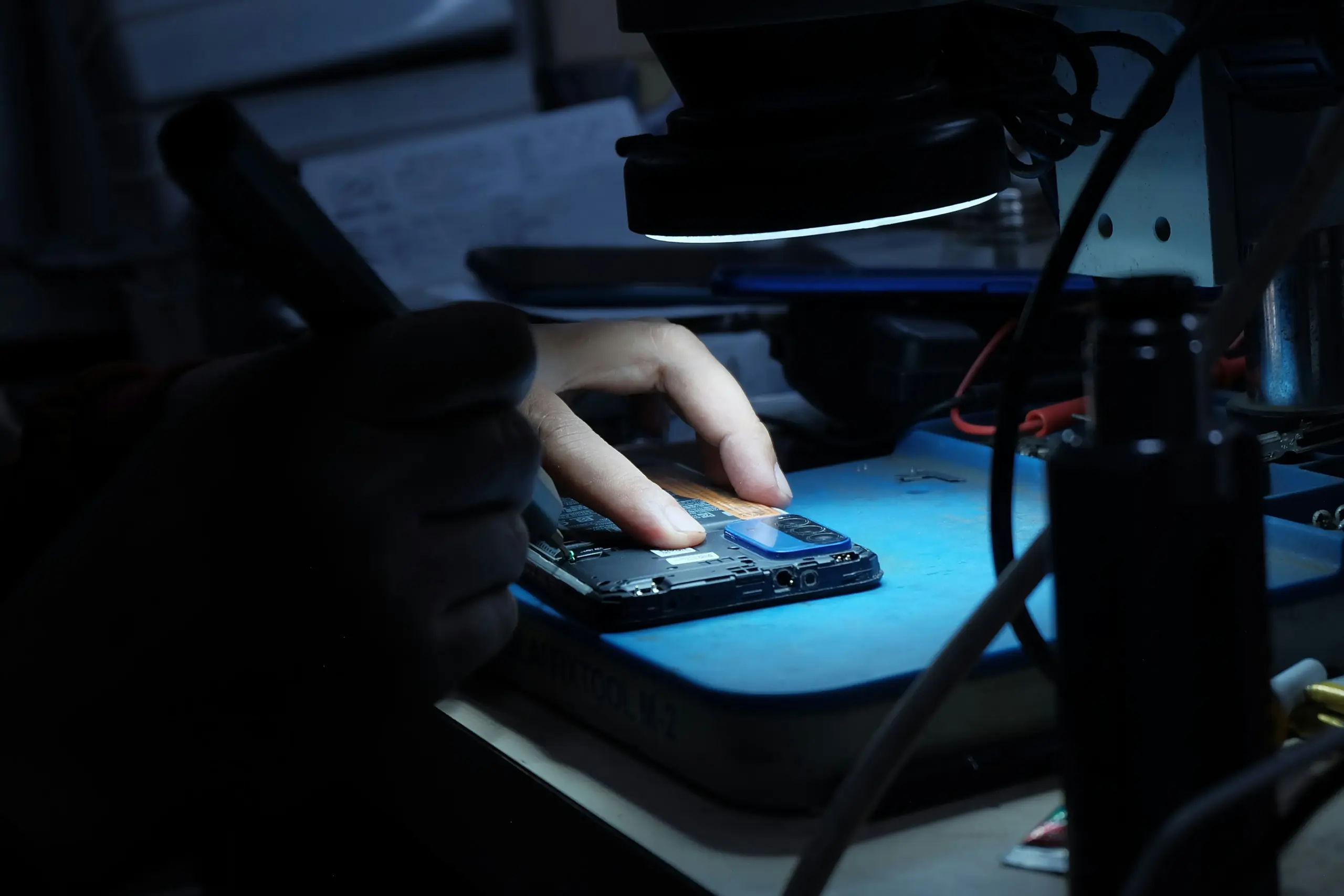
Your phone battery barely lasts two years. A kitchen appliance stops working just after its warranty expires. A chair breaks, but replacement parts are impossible to find.
For many consumers, these experiences feel normal now. Replacing products has become easier, and sometimes cheaper, than repairing them. Over time, this has created a culture where disposal is expected and durability feels almost old-fashioned.
But in communities around the world, repair cafés, local workshops, maker spaces, and community repair hubs are helping people rethink the value of the things they own. Instead of throwing products away, people are learning how to fix them, extend their lifespan, and reconnect with the idea that products should be built to last.
Repair hubs are doing more than saving broken items. They are challenging the systems and habits that fuel throwaway culture.
A plastic bottle doesn't become worthless the moment you throw it away.
It still has the potential to become something new, whether that's another bottle, outdoor furniture, or packaging made with recycled plastic. But that potential depends partly on what happens before it reaches a recycling facility.
As businesses look for ways to meet their sustainability goals and comply with environmental regulations, many are exploring new approaches to managing waste. One solution that often comes up is waste-to-energy (WtE), which turns waste into electricity or heat instead of sending it to landfills.
At first glance, the idea sounds like a win-win: less waste and more energy. But when it comes to plastic waste management and Extended Producer Responsibility (EPR), the reality is more complex. While waste-to-energy can help reduce the amount of waste that needs to be disposed of, it is not a complete solution to plastic pollution.
Explore business sustainability with plastic pollution solutions. Real cases and long-term benefits await on the path to profitability with sustainability.




 Featured