

 Plastic Pollution and Recycling
Join the global bottle deposit program
Fuelled by the world’s most progressive people.
Rethinking Plastic Waste
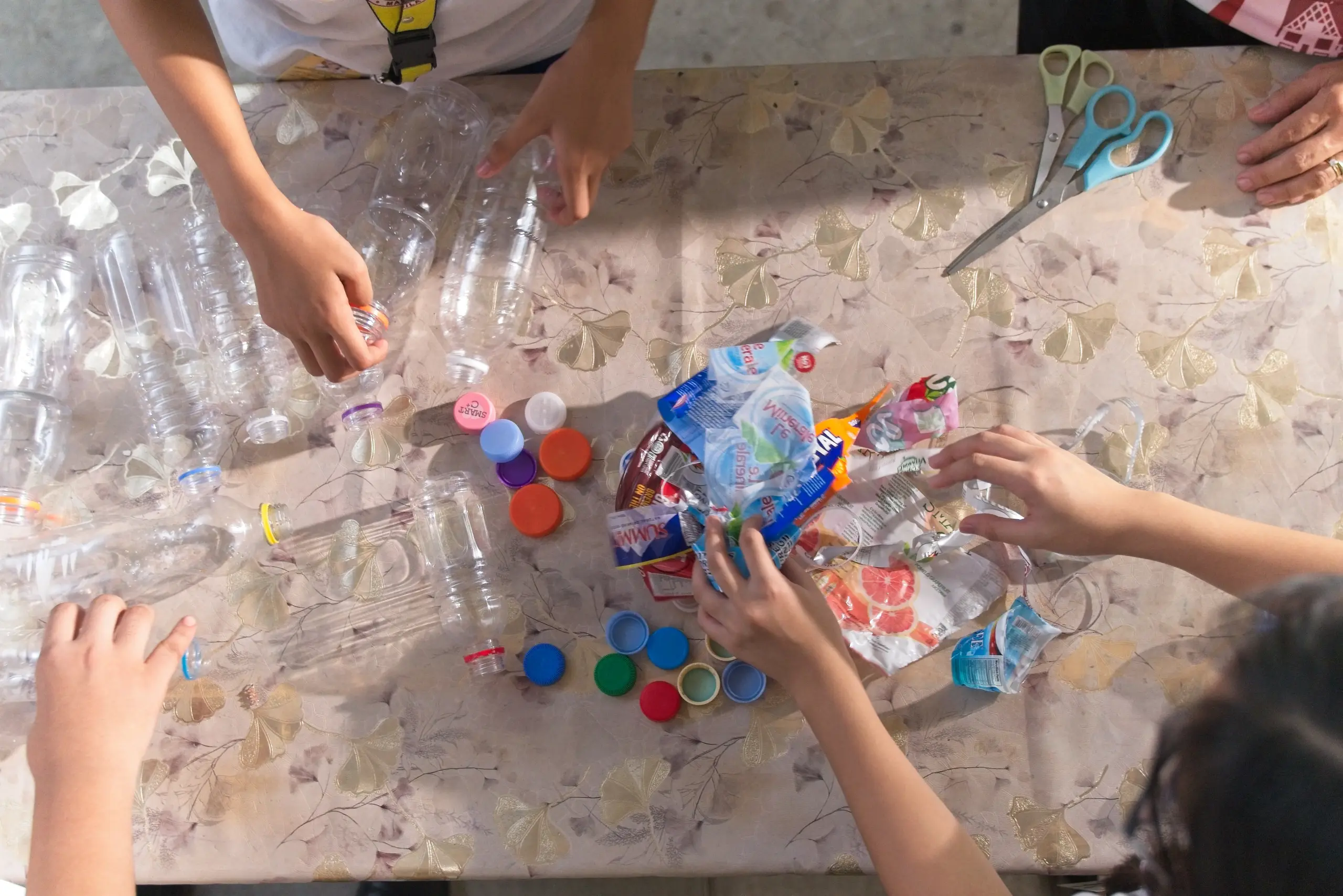
Plastic waste is a big problem we’re all facing today. Every year, the world produces over 2 billion tonnes of waste, and a lot of that is plastic that ends up as ocean and land pollution.1 But there’s hope. Plastic Bank is changing the game by turning plastic waste into something valuable. This helps communities clean up the planet and also empowers people to earn a living and build better lives.
The Plastic Pollution Crisis
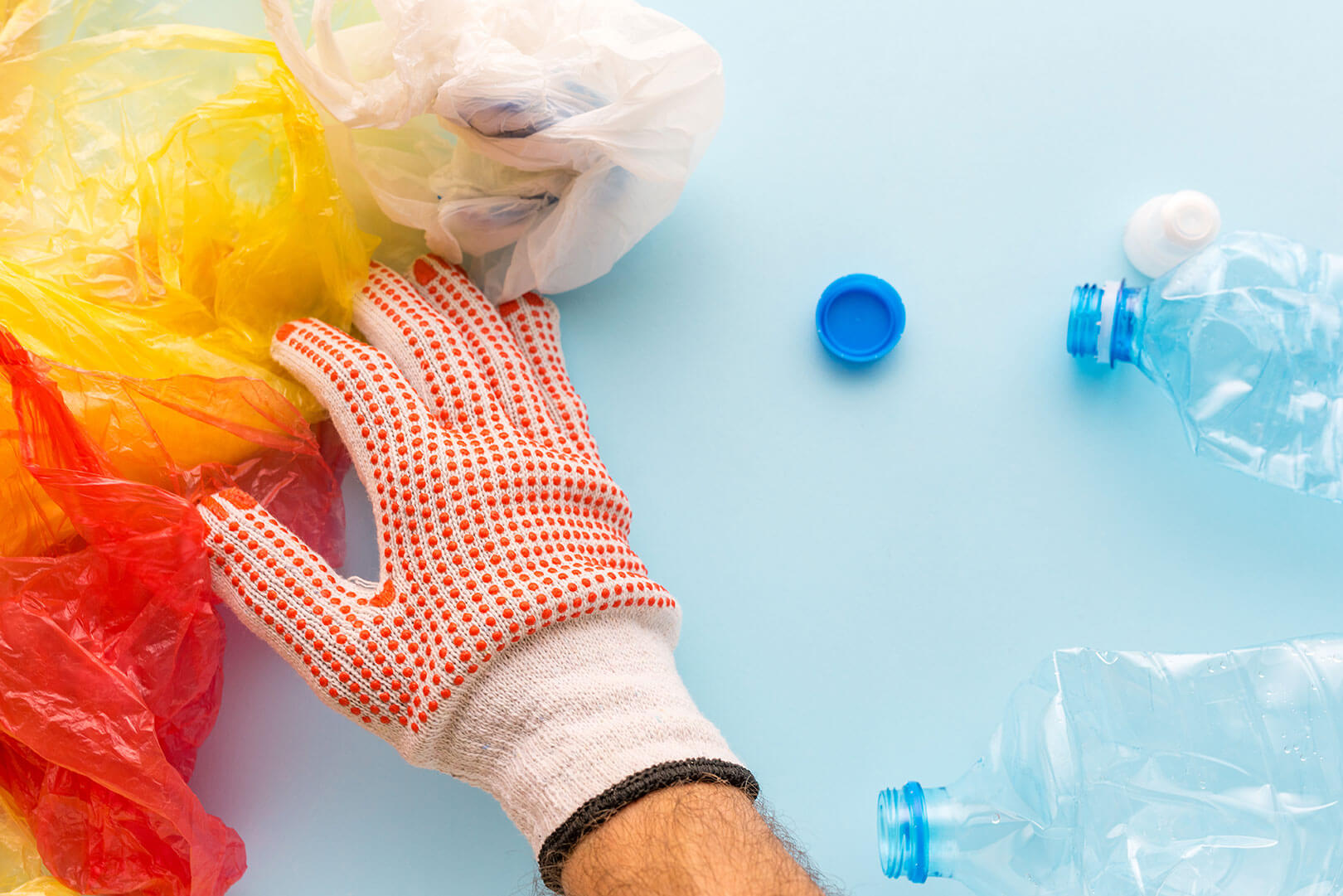
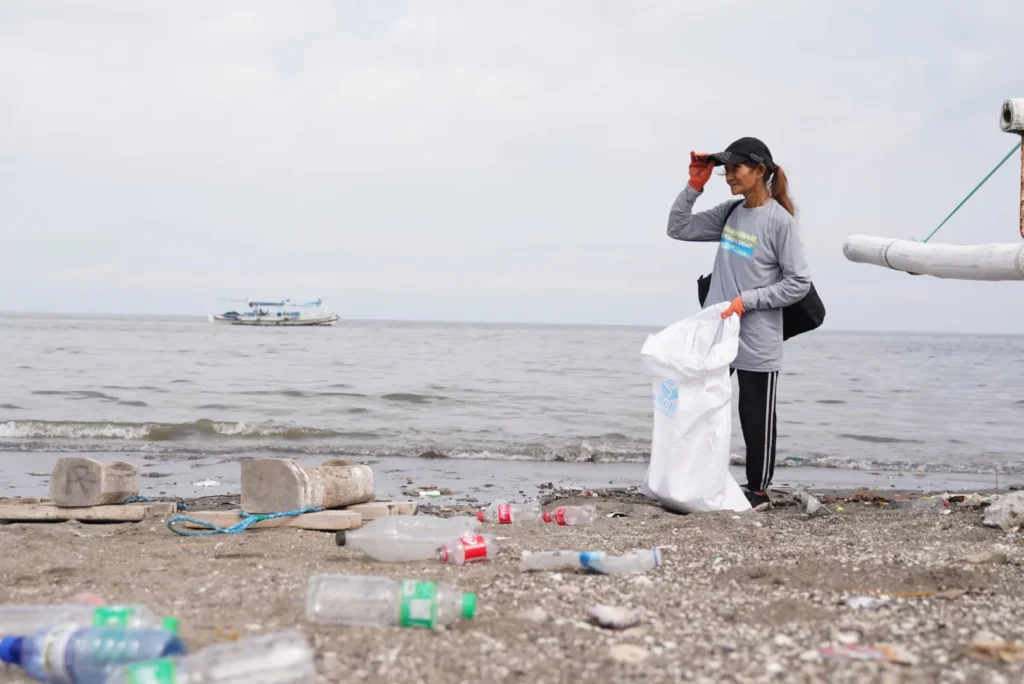
Plastic pollution affects ecosystems worldwide, harming marine life and contaminating food chains. In countries like the Philippines, plastic waste management poses significant challenges, with low recycling rates and inadequate infrastructure leading to widespread environmental degradation.2
Plastic Bank: Transforming Waste into Wealth
Plastic Bank is a social fintech that addresses plastic pollution by incentivizing the collection and recycling of plastic waste. Operating in countries such as the Philippines, Indonesia, Brazil, Egypt, Thailand, and Cameroon, Plastic Bank empowers individuals to collect plastic waste and exchange it for money, goods, or services.
Key Achievements:
- The initiative has engaged over 58,000 collection members across six countries, providing them with additional income and access to services.
- As of April 2025, Plastic Bank has collected over 162 million kilograms of plastic waste, equivalent to over 8 billion plastic bottles.3
Empowering Communities Through Recycling
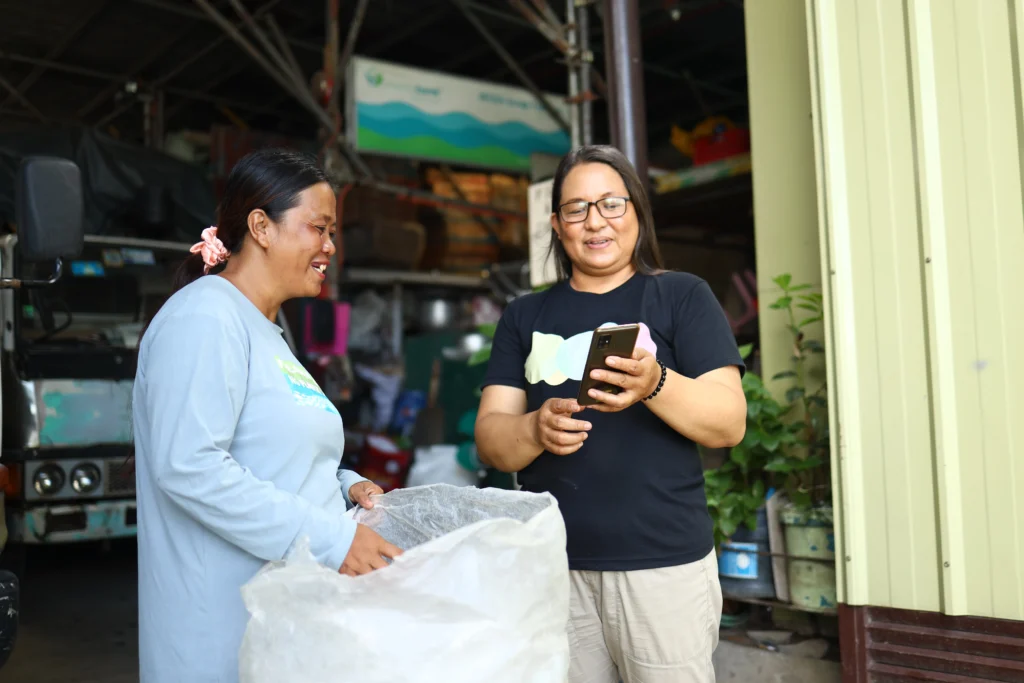
Plastic Bank’s model not only addresses environmental concerns but also fosters economic empowerment in underserved communities.4 By turning plastic waste into a form of currency, individuals can access:
- Health and work insurance
- Grocery vouchers
- Educational resources and school supplies
- Digital connectivity and financial services
This approach promotes financial inclusion and improves the quality of life for the community members.
Advancing the Circular Economy
Plastic Bank contributes to the circular economy by ensuring that collected plastic is recycled and reintegrated into the production cycle. Through partnerships with manufacturers, recycled plastic, known as Social Plastic®, is used to create new products, reducing the demand for virgin plastic and minimizing environmental impact.
Leveraging Technology for Transparency
To ensure transparency and traceability, Plastic Bank utilizes a blockchain-secured platform. This technology records every transaction, verifies the authenticity of collected materials, and ensures that collection members receive fair compensation.
Global Recognition and Impact
Plastic Bank’s innovative approach has garnered international recognition, including awards such as the UN Momentum for Change Award4 and the Energy Globe Award.6 These accolades underscore the organization’s commitment to environmental sustainability and social empowerment.
Plastic waste poses a significant threat to our environment, but Plastic Bank demonstrates that transformative solutions are possible. By turning plastic waste into a valuable resource, we can combat pollution, empower communities, and advance towards a more sustainable future.
Become part of the solution, learn more about our Impact Membership.
Sources:
- Nuru Lama, “The world has a waste problem. Here’s how to fix it,” International Finance Corporation, April 26, 2024, https://www.ifc.org/en/blogs/2024/the-world-has-a-waste-problem
- Ericson Esquibel Coracero, Rb Juarez Gallego, et al, “A Long-Standing Problem: A Review on the Solid Waste Management in the Philippines,” Indonesian Journal of Social and Environmental Issues, December 2021, https://www.researchgate.net/publication/357392729_A_Long-Standing_Problem_A_Review_on_the_Solid_Waste_Management_in_the_Philippines
- Kathleen de Villa, “Reusing plastic ‘a win for everyone’,” Philippine Daily Inquirer, https://newsinfo.inquirer.net/2067172/reusing-plastic-a-win-for-everyone
- Estee Lutte Engao, “Our story of becoming,” Plastic Bank, August 1, 2024, https://uat.plasticbank.com/blog/our-story-of-becoming/
- Nathan Caddell, “Vancouver-based Plastic Bank wins UN award, is slated to meet the Pope,” BC Business, https://www.bcbusiness.ca/industries/natural-resources/vancouver-based-plastic-bank-wins-un-award/
- “Plastic Bank receives the Energy Globe Award for the Philippines,” Advantage Austria, December 9, 2021, https://www.advantageaustria.org/ph/news/20211209_Energy_Globe_Award.en.html