She provides us with the air we breathe, the water we drink, and the soil that grows us food. It nourishes our minds, hearts, and bodies. She is Earth, and she is our home.
We are deeply connected to her — in ways both conscious and subconscious — yet this connection is forgotten by many. Humans have become careless and selfish — taking from her without thinking, stripping away her beauty and resources — to create a life that is comfortable for us but destructive to her.
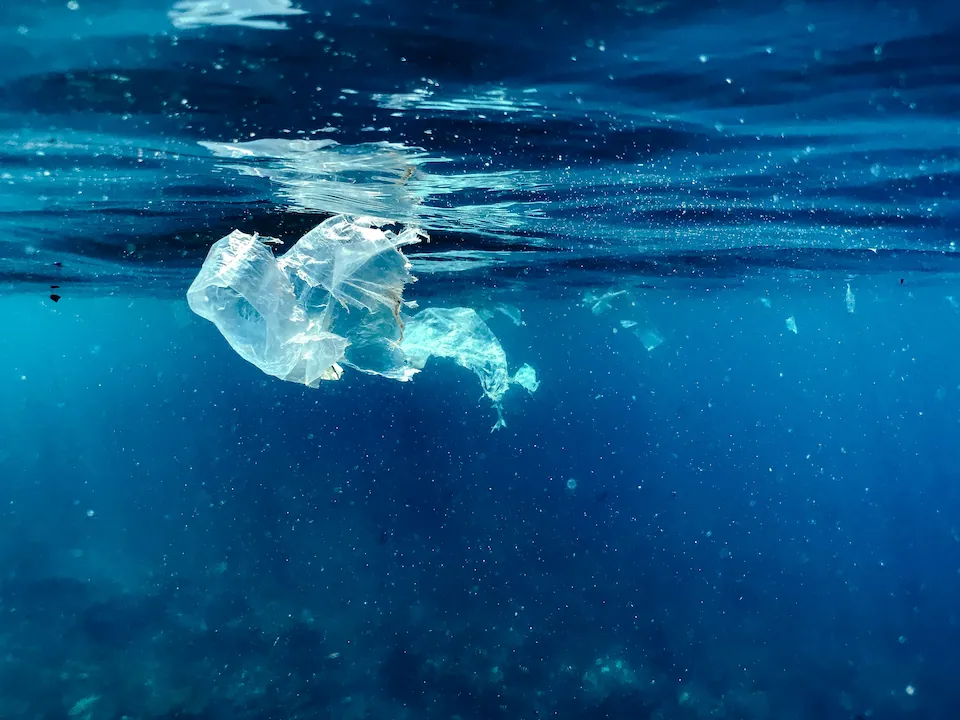
Every year, we produce 400 billion kilograms of plastic waste1 with no realization of the havoc it wreaks. It’s a tragedy so profound that words cannot do justice to its immensity. From coastlines to deserts and tundras, there are evidences of human folly: fish tangled in nets they cannot escape from; birds suffocating as they swallow microplastics; forests choked by discarded plastic bottles and straws; rivers clogged with shopping bags and food packaging.
As if these are not bad enough, our plastic waste releases toxic chemicals into the environment that disrupt hormonal balance in large and small organisms alike. These contaminants travel through food chains, entering our homes and bodies without warning or permission. Moreover, the open incineration of plastic waste releases even more hazardous chemicals into the atmosphere, burning out the life-sustaining oxygen we desperately need.
Photo by Rob Morton on Unsplash
Investing in our relationship with the Earth
The Earth gives us sustenance every day, sharing with us an abundance of natural gifts that allow us to live and thrive. When are we going to start caring for her the way she does for us? Have we truly come to believe that her beauty and abundance will continue to sustain us, while we reciprocate it with some of the most unsustainable ways of existing? We haven’t even fully begun repairing the damage caused thus far, and yet we continue damaging the Earth. When we don’t litter the place we live in, what makes us act differently when we keep polluting the Earth? What else is home, if not Earth?
It’s time we make Earth Day every day. Let’s give back and invest in our relationship with her. It starts with being mindful of our lifestyle; from the way we produce materials, to the way we consume, reuse, and dispose them. Introduced by The International Union for Conservation of Nature (IUCN), here is the hierarchy of proper waste disposal2 – the six daily actions that we can do to strengthen our relationship with the Earth.
1. Refuse
Say no to unnecessary items, hazardous and toxic materials, and choose renewable and recycled alternatives when possible. The planet is suffering from our irresponsible consumption. Let us make conscious decisions about what we buy and consume. It is time we consider the impact of our choices, and make ones that are not just sustainable, but regenerative.
2. Reduce
We have become too reliant on single-use plastic items. We must ask ourselves, what kind of world do we want to leave behind for future generations? By reducing our consumption of non-renewable and non-recyclable materials, we can help preserve our natural resources and protect the planet for years to come.
3. Reuse
Most of the time, we discard materials without thinking twice, even when they still have value. Let’s trash the throwaway culture! Start by choosing to clean, reuse, repair, refurbish, remanufacture, and repurpose products and packaging.
4. Recycle
The first global analysis of all plastic ever made showed that humans produced 6.3 trillion kilograms of plastic waste over the past six decades. Of this, only 9 percent has been recycled3. Pause for a while, and imagine the environmental and social degradation caused by the remaining 5.7 trillion over the last 60 years. We cannot allow this to continue and must help change this. The change starts with collecting waste, sorting, and recovering plastic for reprocessing and recycling.
5. Recover energy
Not all waste can be recycled, but that doesn’t mean we should leave it to pollute our home. We can incinerate non-recyclable waste to produce energy, like biogas conversion. By using biogas, we can convert waste into a clean source of energy, reducing our reliance on fossil fuels.
6. Responsible disposal
For waste that we cannot process at all, we need to ensure that they end up in a properly managed landfill.
We need to manage our waste in ways that are least harmful to the environment. These include, but are not limited to using advanced technologies that minimize pollution and guarantee proper containment.
Photo by Callum Shaw on Unsplash
Sign the pledge for the Earth
At Plastic Bank, we believe that a world without waste is possible, but it is a journey that requires the collective effort of all human beings. This Earth Month, we invite you to commit to your relationship with the Earth and sign our pledge at plasticbank.com/pledge.
We’ll celebrate your commitment by:
Collecting a kilogram of plastic per signatory from our communities in the Philippines, Indonesia, Brazil, or Egypt, up to 10,000 kilograms.
Sharing the letter with the United Nations Environmental Programme for consideration and support of recycling in coastal communities with high rates of ocean-bound plastic pollution and poverty.
We also encourage you to understand your impact by checking out our Plastic Footprint Calculator, which provides an estimate of your annual plastic consumption. If you are a business leader, invest in the Earth through our Impact Programs and accelerate your company’s ESG journey.
The Earth is worth striving for! Together, we can create a future where no material is waste and no human is wasteful.
After all, the Earth can live without us, but we can’t.
Fast furniture has become one of the defining products of modern living. You see it everywhere: the flat packed bookshelf ordered during a late night scroll, the trendy coffee table that looks perfect online, the affordable desk bought for a temporary apartment that somehow never survives the next move.
Realistically, it solves real problems. Furniture is expensive and rent is rising. People move more often than they used to. Many are trying to make small spaces feel comfortable without spending thousands of dollars.
But something else is happening beneath all that convenience.
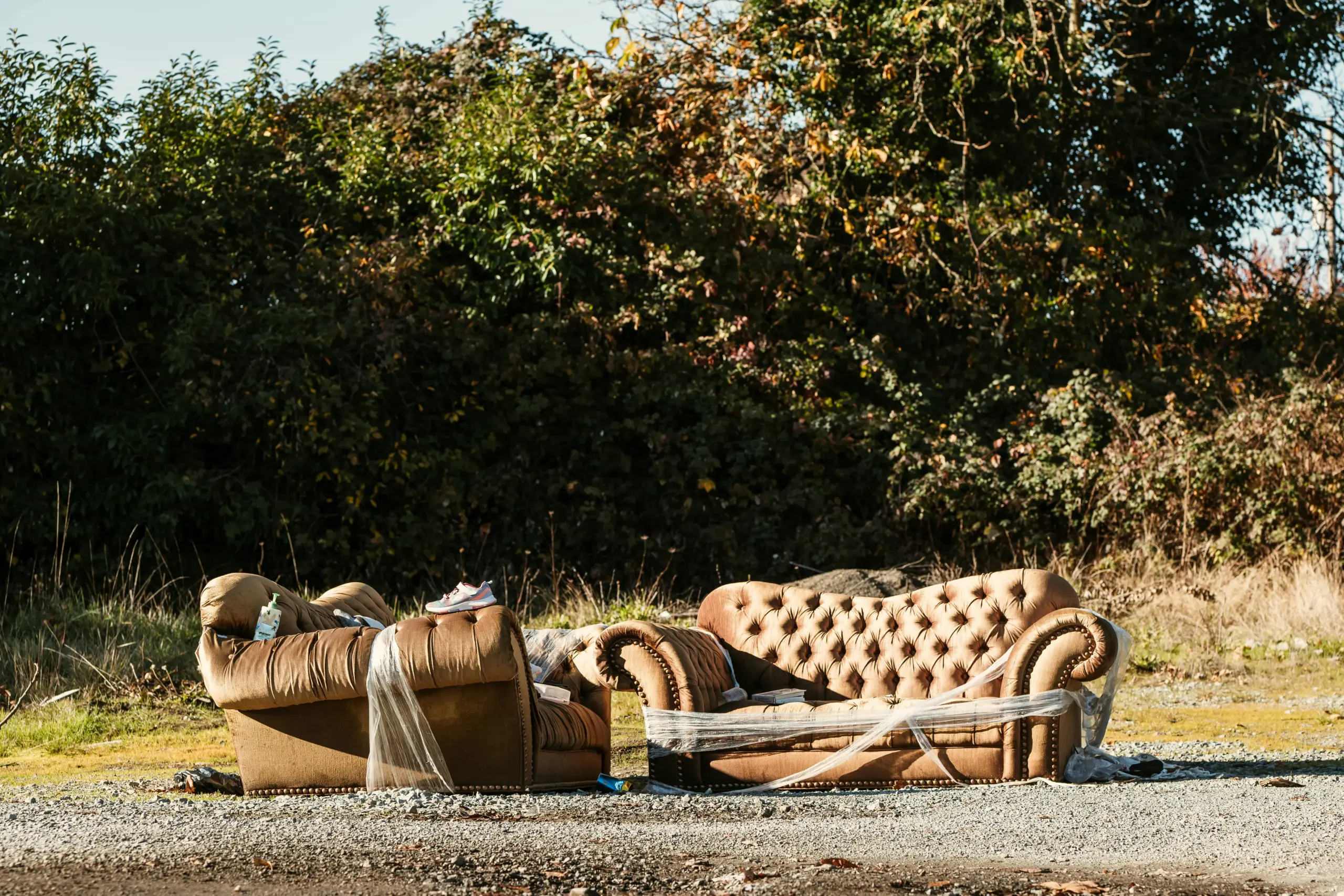
Homes are increasingly filled with furniture designed to last only a few years, sometimes less. And when these pieces break, chip, peel, or wobble beyond repair, they often end up in landfills. The result is a growing wave of furniture waste that reflects something much bigger than interior design trends. It reflects a culture that has normalized short term ownership and constant replacement.
The issue is not that people want affordable furniture. The issue is that much of today’s furniture system is built around disposability rather than durability.
And over time, that changes both our environment and our relationship with the things we live with every day.
Walk through any neighborhood, market, or shoreline, and you will see it. Plastic is everywhere. It’s not because people do not care, but because plastic has become part of everyday life. From sachets to bottles to food containers, it is built into how products are designed, sold, and consumed.
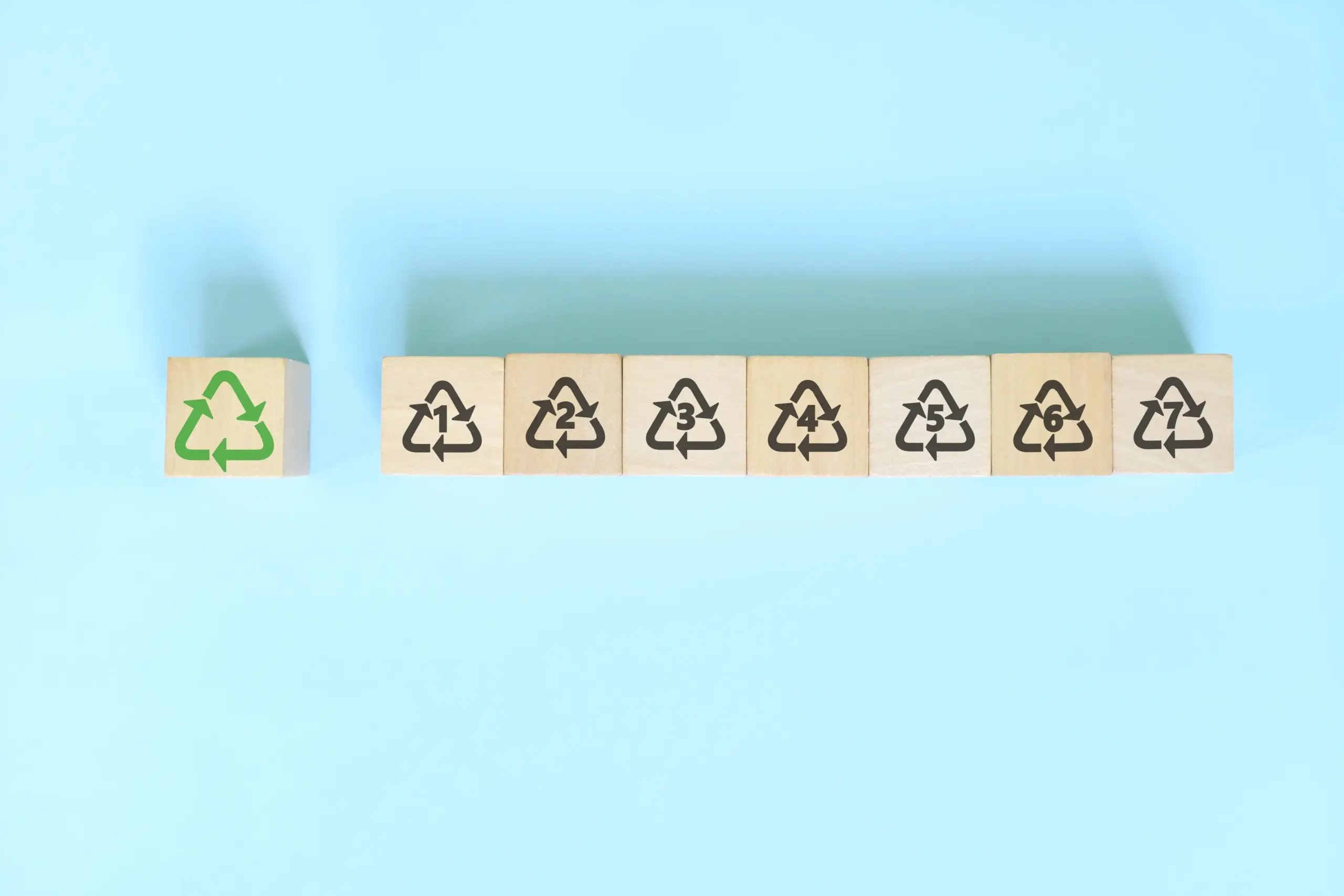
Most people assume that if a plastic item has a recycling symbol, it will eventually be recycled.
But in reality, not all plastics are recyclable in practice. And more importantly, not all plastics are actually collected and processed.
Globally, only about 9% of plastic waste has ever been recycled.
Understanding which plastics are recyclable and how to identify them is the first step toward reducing plastic waste and meeting sustainability goals, especially for companies navigating Extended Producer Responsibility (EPR) in the Philippines.1
Have you ever struggled to tear apart a snack wrapper or wondered why some refill pouches can’t be recycled? Those everyday frustrations highlight one of the biggest challenges in sustainable packaging. Long before a package reaches a recycling bin, design decisions determine whether it has a realistic chance of being recycled. That’s why more companies are rethinking not just the materials they use, but how packaging is designed from the start.
Even if we stop plastic pollution today, the ocean will remain polluted for decades. Discover the science behind plastic’s long life beneath the waves.




 Plastic Pollution and Recycling